
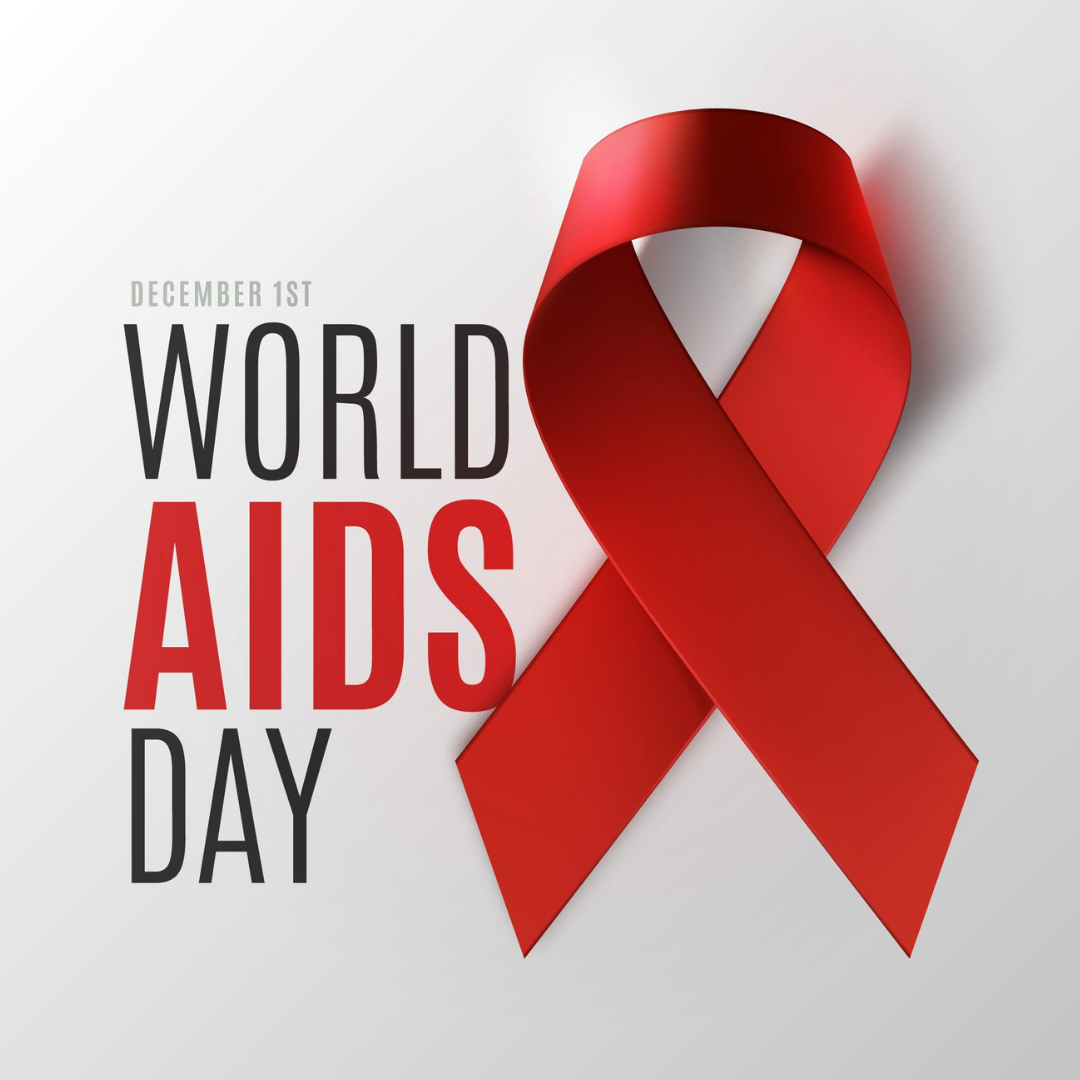


World AIDS Day arrives every year on December 1st, and while the date may stay the same, the world it lands in continues to change. What hasn’t changed, darling, is its importance. Recognizing World AIDS Day is not just a ritual, not a commemorative habit, and certainly not an optional social-justice accessory you pull out once a year like a holiday sweater. It is a cultural, political, and deeply human necessity. It’s a moment to acknowledge the history of HIV/AIDS, honor the lives lost, uplift the people living with HIV today, and recommit to a future free from stigma and inequality.
So let’s walk through exactly why this day demands our attention — not only as LGBTQIA+ folks, but as a global community.
1. World AIDS Day preserves a critical historical memory
The history of HIV/AIDS is not ancient. It’s living memory. For many LGBTQIA+ elders, the AIDS crisis of the 1980s and 1990s was the defining trauma of their generation. Lives were lost in staggering numbers. Entire communities shouldered grief so heavy it reshaped culture, relationships, and activism. Yet younger generations often grow up with only fragments of that history — if they hear about it at all.
Recognizing World AIDS Day helps maintain historical continuity. And honey, history matters. Especially queer history, which is too often erased, sanitized, or minimized.
When we speak openly about the AIDS crisis:
- We honor the activists who fought relentlessly for research, treatment, and dignity.
- We acknowledge a generation of queer people who carried unimaginable weight.
- We ensure that the pain they endured is not forgotten or repeated.
World AIDS Day provides a widely recognized, globally shared moment to revisit that history — not as tragedy porn, but as a testament to resilience and a reminder of how far we’ve come.
2. HIV/AIDS is still a global public-health crisis
Some people believe HIV is a problem of the past because modern antiretroviral therapies have turned it into a manageable condition. But globally, HIV/AIDS remains a major public-health issue, particularly in regions where access to healthcare and treatment is limited.
Here are some realities the world still faces:
- Millions of people worldwide are living with HIV without knowing their status.
- Unequal access to medication means many regions still face high mortality rates.
- Women, especially in the Global South, remain disproportionately affected.
- Trans people continue to experience some of the highest rates of HIV infection due to systemic discrimination, lack of healthcare access, and economic marginalization.
Recognizing World AIDS Day keeps the world’s attention where it must remain: on the ongoing fight for equitable healthcare and global funding for HIV research and treatment.
Awareness isn’t just symbolic — it helps maintain public interest, drive donations, and push policymakers to commit to meaningful change.
3. Stigma remains one of the most dangerous parts of HIV
Let’s speak plainly: the virus isn’t the only threat. Stigma kills too.
People living with HIV often face:
- Social rejection
- Relationship discrimination
- Employment challenges
- Healthcare bias
- Misconceptions about transmission
- Internalized shame that prevents testing or treatment
All of which can be prevented with simple truth-telling and public awareness.
When we recognize World AIDS Day, we uplift education that challenges harmful myths. We remind the world that:
- HIV is not a moral failing.
- HIV does not define a person’s worth.
- People living with HIV can live long, healthy lives with proper treatment.
- Undetectable = Untransmittable (U=U).
Repeating these truths may feel obvious to some, but darling, in communities around the world, this information is life-changing — and life-saving.
4. It centers the experiences of people living with HIV today
World AIDS Day isn’t solely about remembering the past or addressing global statistics. It’s also about recognizing the lives and stories of people currently living with HIV.
And let me tell you, they deserve more than just a passing mention once a year.
People living with HIV continue to shape art, culture, activism, science, and community leadership. Recognizing World AIDS Day:
- amplifies their voices,
- improves representation,
- encourages compassion-driven storytelling,
- and reminds society that HIV does not diminish someone’s beauty, talent, or humanity.
Visibility matters. And not the kind that sensationalizes or tokenizes — the kind that centers dignity, agency, and truth.
5. Recognition fuels activism and policy change
Advocacy doesn’t happen in a vacuum. It needs attention, energy, and pressure. World AIDS Day mobilizes communities, nonprofits, governments, and individuals to take action. It’s a rallying point that has historically driven:
- increased funding for HIV research,
- improvements in medication access,
- greater support for harm-reduction services,
- expanded sexual health education,
- and more inclusive prevention programs.
The work isn’t done. Recognizing World AIDS Day ensures these issues stay on the public agenda, not hidden behind competing headlines.
6. It provides a compassionate space for grief and remembrance
The AIDS crisis left deep scars. Many survivors, loved ones, and community members still carry unresolved grief — especially those who were unable to mourn publicly due to stigma or the closeted realities of past decades.
World AIDS Day creates a collective moment to:
- light candles,
- speak names,
- reflect on lost loved ones,
- and honor the memories of those who didn’t have access to care or who fought until the end.
Grief doesn’t expire, darling. It evolves, but it doesn’t vanish. Recognition helps healing, and healing helps communities rebuild.
7. It celebrates scientific progress and human resilience
The journey from the early days of the epidemic to today’s treatment landscape is one of the most extraordinary medical success stories of the modern era.
We now have:
- antiretroviral therapy that allows people with HIV to live long, healthy lives,
- pre-exposure prophylaxis (PrEP) that drastically reduces the risk of transmission,
- improved testing technologies,
- and research toward long-term remission and potential cure strategies.
Recognizing World AIDS Day allows us to celebrate these achievements — not just in labs, but in communities transformed by access to life-saving treatment.
8. It strengthens global solidarity in public-health efforts
The COVID-19 pandemic taught the world the importance of coordinated responses to global health threats. HIV/AIDS has been teaching that lesson since the 1980s. And baby, some people still haven’t learned.
Recognizing World AIDS Day reminds us that health justice is interconnected:
- a breakthrough in one country should help people everywhere,
- funding must reach marginalized communities,
- and we cannot allow discrimination to dictate who receives care.
Solidarity isn’t abstract. It’s a commitment to shared responsibility and collective compassion.
9. It empowers LGBTQIA+ visibility and advocacy
HIV/AIDS activism has always been intertwined with queer liberation. The courageous work of LGBTQIA+ activists not only transformed public-health responses, but also advanced LGBTQIA+ visibility, rights, and political recognition.
World AIDS Day acknowledges that intertwined history and honors the communities that rallied in the face of abandonment and cruelty.
And for younger queer folks who may be disconnected from that history, recognition is a form of intergenerational bridge-building. It’s a way to say:
We see you. We remember. And we continue the fight together.
10. Recognizing World AIDS Day keeps hope alive
Hope is not naive. Hope is strategy. Hope is survival.
World AIDS Day is ultimately about imagining a world free of HIV/AIDS — and believing it’s possible. That vision fuels energy, generosity, activism, and scientific innovation. It moves us from mourning to mobilization.
Hope is the drag queen of emotions: bold, dramatic, and absolutely necessary.
And honey, let’s be clear: hope is always worth celebrating.
Conclusion: Why Recognition Still Matters Today
Recognizing World AIDS Day is an act of remembrance, education, activism, compassion, and global care. It honors lives lost, uplifts people living with HIV, and sparks action toward a more just future.
It is a reminder that:
- stigma is still a battle worth fighting,
- access to healthcare is still unequal,
- HIV is still a global challenge,
- and none of us are free until all of us have the support we need to live safely and joyfully.
Whether you attend a vigil, donate to an HIV-focused nonprofit, share educational resources, or simply take time to reflect, your acknowledgment matters. It contributes to a collective force powerful enough to change both hearts and policies.
Recognize World AIDS Day not because it’s tradition — but because it’s necessary.
In Solidarity, Always
– Ryder
Discover more from Ryder Tombs
Subscribe to get the latest posts sent to your email.
