
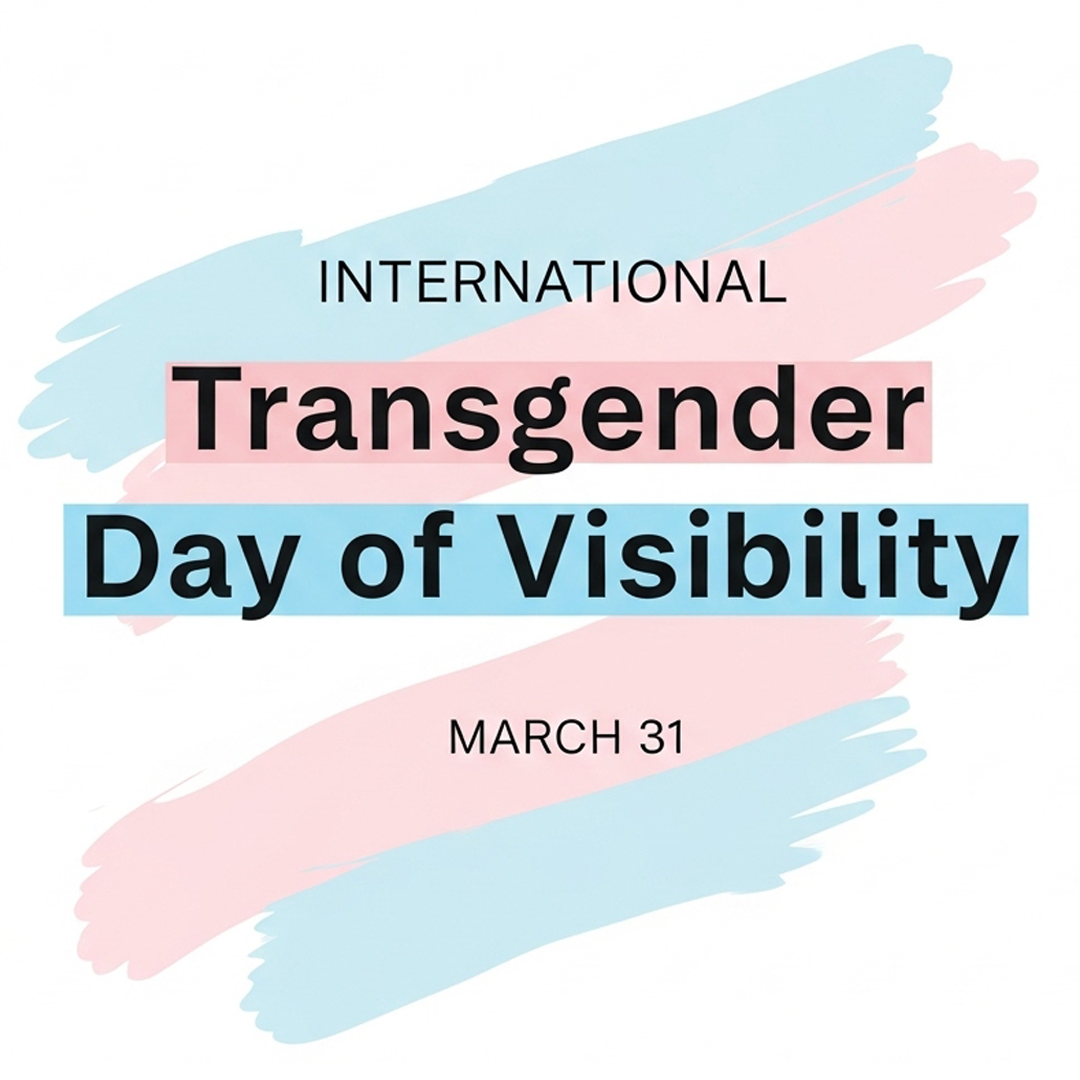


Every year on March 31, something powerful happens across the globe. People come together to celebrate International Transgender Day of Visibility (TDOV)—a day dedicated to uplifting transgender and nonbinary people, honoring their lives, and making sure the world sees them clearly and respectfully.
And let’s be honest: in a world that too often tries to erase or misunderstand trans identities, visibility isn’t just important—it’s transformative.
More Than Just Being Seen
International Transgender Day of Visibility was founded in 2009 by activist Rachel Crandall-Crocker, who recognized a gap in how trans stories were being told. At the time, much of the attention surrounding trans communities focused on tragedy and loss. While those stories matter deeply, they don’t tell the whole story.
TDOV was created to shift that narrative. It’s about celebrating life—real, vibrant, complex trans lives that exist in every corner of society.
This day reminds us that transgender people are not just statistics or headlines. They are artists, teachers, parents, innovators, leaders, and dreamers. They are people building careers, nurturing relationships, and shaping culture in ways that often go unrecognized.
Visibility, in this sense, is about acknowledging that trans people have always been here—and always will be.
Why Visibility Is So Powerful
There’s something deeply human about wanting to be seen for who you truly are. For many transgender people, that recognition can be life-affirming.
When trans individuals are visible in media, workplaces, schools, and everyday life, it begins to challenge outdated assumptions and harmful stereotypes. It opens the door for understanding. It creates space for conversations that might not have happened otherwise.
And for someone who is questioning their identity or feeling alone, seeing a trans person living openly can be a lifeline. It can say, without words, “You’re not the only one. There’s a place for you here.”
But visibility is not always simple. Being seen can also come with risks, especially in environments where acceptance is not guaranteed. That’s why conversations around TDOV often include both celebration and caution. Visibility should never come at the cost of safety.
The Reality Behind the Celebration
While TDOV is a joyful and affirming day, it also exists alongside some difficult truths.
Many transgender people continue to face barriers in accessing healthcare, finding stable housing, and securing employment. Discrimination and harassment remain common experiences, and for some, daily life involves navigating systems that were never designed with them in mind.
These challenges are not evenly distributed. Trans people who are also part of other marginalized communities—particularly trans people of color—often face even greater obstacles.
So while March 31 is a day of visibility, it’s also a moment to reflect on what still needs to change. Being seen is important, but being safe, supported, and valued is essential.
Celebrating Trans Joy
Now, let’s not forget the joy—because it deserves center stage too ✨
Trans joy is powerful. It shows up in big, visible ways and in quiet, everyday moments. It’s in the confidence of someone finally living authentically. It’s in creative expression, in community gatherings, in laughter, in love.
Too often, trans narratives are framed only through struggle. TDOV challenges that by highlighting success, resilience, and happiness. It reminds us that trans lives are full and meaningful—not defined solely by hardship.
Celebrating these moments matters. Joy is not just a personal experience; it’s a form of resistance in a world that doesn’t always make space for it.
What Support Really Looks Like
Supporting transgender visibility doesn’t require grand gestures. In fact, some of the most meaningful actions are simple and consistent.
It starts with listening—really listening—to trans voices and experiences. It means being open to learning, even when it’s uncomfortable or unfamiliar.
It shows up in the way people speak and interact. Using the correct name and pronouns, respecting boundaries, and treating trans individuals with dignity should be the baseline, not the exception.
Support can also extend into workplaces, schools, and communities. Advocating for inclusive policies, equitable healthcare access, and safe environments makes a tangible difference. These changes may seem small on the surface, but they add up to something much larger: a culture of respect and belonging.
And sometimes, support is as simple as amplifying trans voices instead of speaking over them—making sure the people most affected are the ones being heard.
Looking Toward the Future
International Transgender Day of Visibility is not just about marking a date on the calendar. It’s about imagining and working toward a future where visibility is no longer a risk, but a given.
A future where trans people can live openly without fear. Where young people can explore their identities with support instead of resistance. Where representation is not rare or tokenized, but authentic and abundant.
That future is possible—but it requires intention. It requires people who are willing to learn, to advocate, and to stand in solidarity even when it’s inconvenient.
Visibility plays a role in that future, but it’s only the beginning. What truly matters is what comes next: the actions, the policies, the everyday choices that turn awareness into change.
A Final Word
International Transgender Day of Visibility is, at its heart, a celebration. It’s a moment to recognize the beauty, strength, and diversity of trans lives.
It’s also a reminder that visibility is not just about being seen—it’s about being respected, protected, and valued.
So on March 31, take a moment to celebrate. Learn something new. Listen a little more closely. And carry that awareness forward, beyond a single day.
Because visibility, darling, is powerful.
But what we do with it? That’s what truly makes the difference.
In Solidarity, Always
– Ryder
Discover more from Ryder Tombs
Subscribe to get the latest posts sent to your email.
