
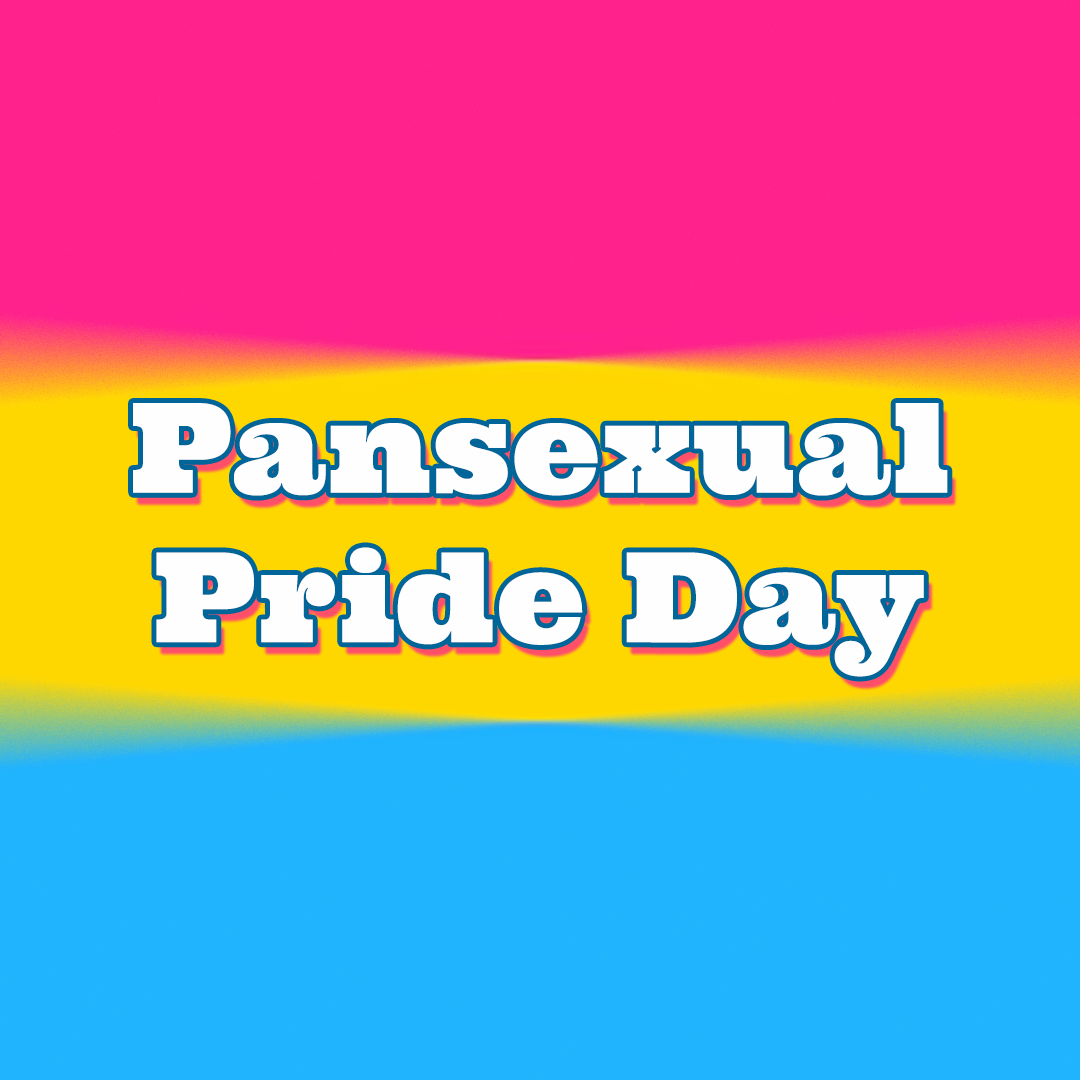


Pansexual Pride Day, observed every year on December 8, is one of the most essential — and too often overlooked — celebrations on the LGBTQIA+ calendar. This day is dedicated to honoring pansexual identity, uplifting the pan community, dispelling myths, and creating visibility for a sexual orientation that many people still misunderstand. In a world where labels can both liberate and confound, Pansexual Pride Day provides clarity, connection, and a space for pan folks to be seen fully, without apology.
For anyone searching for a deeper understanding of pansexuality or wanting to celebrate it with intention, this day is a powerful opportunity. And darling, let me tell you, we are absolutely going to walk through all of it — the meaning, the misconceptions, the cultural impact, the intersectionality, and the ongoing work needed to support pan people everywhere.
1. What Pansexual Pride Day Represents
Pansexual Pride Day centers an identity defined not by gender boundaries but by openness to connection, chemistry, and attraction that transcends the binary. Pansexuality is often described as attraction to people regardless of gender, or attraction to all genders. Some pansexual people frame it as “hearts, not parts,” while others simply say they’re attracted to individuals, not categories.
What Pansexual Pride Day represents is representation itself — a reminder that the LGBTQIA+ community is more beautifully diverse than any one acronym can fully hold. It is also a chance to educate the broader population on the nuanced ways people experience attraction.
In a world that still largely assumes attraction follows a binary pattern, this day challenges those assumptions and affirms that millions of people exist outside those lines.
2. Why Pansexual Pride Day Matters in Today’s Social Climate
Visibility is not just a cute concept. Visibility is protection. Visibility is community. Visibility is the difference between misconception and understanding.
Even within LGBTQIA+ spaces, pan folks often face:
- Bisexual erasure
- Misunderstanding of pan identity
- Stereotypes about promiscuity
- Harmful myths about “choosing everyone” or being “confused”
- Pressure to justify themselves to others
Honey, the problem has never been identity — it has always been society’s limited imagination.
Recognizing Pansexual Pride Day combats:
- Unexamined biphobia
- Assumptions that pansexuality is “new” or “trendy”
- Media misrepresentation
- The idea that attraction must fit on a binary of men and women
By uplifting this day, we push back against narratives that limit how people can exist, love, and be loved.
3. Understanding the Difference Between Pansexuality and Bisexuality
It’s essential to clarify — not to gatekeep, but to ensure understanding.
Pansexuality is attraction to people regardless of gender or to gender itself as a non-limiting factor.
Bisexuality is attraction to more than one gender.
They can overlap, coexist, and harmonize. Some people identify as both. Some people move between labels over time. Neither identity is more “inclusive” or more “correct” — both are valid.
Pansexual Pride Day isn’t competing with Bi Visibility Day. These identities are siblings, not opponents.
One of the biggest benefits of Pansexual Pride Day is the space it creates for people to understand these identities on their own terms, without pressure, policing, or hierarchy within the LGBTQIA+ community.
4. A Brief History of Pansexuality and the Pan Flag
Pansexual people have existed long before the term did, but language evolves in response to community need.
The modern rise of the word “pansexual” emerged in queer theory and LGBTQIA+ activism in the late 20th century, particularly as conversations around gender diversity and trans identity gained visibility. As people recognized that gender was not limited to man or woman, many realized their own attractions were not limited either.
The pansexual pride flag, created around 2010, includes:
- Pink: attraction to women
- Blue: attraction to men
- Yellow: attraction to people outside the binary
This flag was designed not to reinforce gender binary structures but to represent expansive attraction — with yellow as a powerful visual symbol of nonbinary inclusivity.
Pansexual Pride Day builds on this history of expansion, rejecting the idea that attraction must be rigid, predefined, or binary.
5. Common Misconceptions About Pansexuality
Let’s clear the air like a drag queen clearing a smoke-filled dressing room before the next number.
Myth 1: Pansexual people are attracted to everyone.
No identity defines attraction to every single human on Earth. Pan folks have preferences, boundaries, and types just like anyone else.
Myth 2: Pansexuality is the same as bisexuality.
Pansexuality and bisexuality describe related but distinct experiences. Both are valid. Both deserve visibility.
Myth 3: Pansexuality erases nonbinary people.
Quite the opposite. Pan identity explicitly recognizes and embraces genders outside the binary.
Myth 4: Pansexuality is a trend.
The language may shift, but the experiences have existed long before hashtags or pride flag designs.
Myth 5: Pansexual people are “confused.”
Pansexuality is not confusion — it is clarity about one’s attraction beyond gender boundaries.
Part of Pansexual Pride Day’s importance lies in transforming these myths into education, understanding, and respect.
6. Pansexuality and Intersectionality
Understanding pan identity also means acknowledging where it intersects with:
- Race
- Gender
- Trans identity
- Nonbinary identity
- Disability
- Culture
- Religion
- Socioeconomic status
Pansexual people are not a monolith. Some are trans, some are cis, some are nonbinary, some are queer elders, some are teenagers discovering language that fits them for the first time.
Pansexual Pride Day makes space for all of those experiences. It invites intersectional storytelling, which helps ensure that pan people from marginalized backgrounds are not erased by mainstream narratives.
7. The Importance of Inclusive Sexuality Education
One of the most meaningful contributions of Pansexual Pride Day is the push for better sexuality education — the kind that acknowledges:
- nonbinary people
- trans people
- queer relationships
- attraction beyond binaries
- consent
- emotional safety
- healthy communication
In many regions, sexuality education remains outdated, heteronormative, or absent altogether. Pansexual visibility challenges educators, policymakers, and communities to expand what they teach and recognize.
An inclusive, accurate understanding of sexuality benefits everyone, whether they identify as pansexual or not.
8. Supporting Pansexual People in Your Life
Support doesn’t need to be loud; it needs to be consistent.
Here are meaningful steps:
Ask, don’t assume.
Pansexual identity does not tell you someone’s gender, relationship status, or behavior.
Don’t reduce pansexuality to stereotypes.
Avoid jokes or assumptions rooted in promiscuity myths or misconceptions.
Affirm people’s labels and experiences.
If someone says they’re pan, that’s all you need.
Use respectful, updated language.
It shows care and signals understanding.
Uplift pan representation in media.
Accurate representation builds visibility and community pride.
Challenge biphobia and panphobia when you hear it.
Especially in LGBTQIA+ spaces where dismissal often goes unchallenged.
Solidarity is powerful — and Pansexual Pride Day is an ideal moment to practice it.
9. Pansexual Joy, Community, and Celebration
Pansexuality is not just about struggle. It’s also about joy.
Pansexual Pride Day is a chance to:
- celebrate relationships that transcend norms,
- embrace vibrant self-expression,
- honor narrative diversity,
- highlight pan creators and activists,
- and create an affirming environment where pan people can connect and share stories.
Community is one of the strongest tools any queer group has. When pan people are visible, affirmed, and supported, the entire LGBTQIA+ community becomes more inclusive and more complete.
10. Why Pansexual Pride Day Still Matters in 2025 and Beyond
Even with increased visibility, pansexual people continue to face:
- erasure
- invalidation
- harmful stereotypes
- lack of representation
- pressure to conform to binaries
This is why Pansexual Pride Day remains essential. It isn’t just a celebration — it’s a tool of cultural education, emotional healing, and social progress.
Every time this day is acknowledged:
- someone feels seen,
- someone learns something new,
- someone finds language that fits them,
- and someone gains the courage to express who they are.
That is powerful. That is necessary. That is worth celebrating.
Conclusion: Pansexual Pride Day Is Visibility, Affirmation, and Community
Pansexual Pride Day on December 8 is more than a date on the calendar. It is an anchor in the ongoing work of LGBTQIA+ liberation, a pathway toward deeper understanding, and a celebration of the limitless ways humans can connect, love, and be loved.
Recognizing this day helps build a world where pansexual people no longer have to justify themselves, where identity is respected without explanation, and where young people discovering themselves for the first time know they are not alone.
In Solidarity, Always
– Ryder
Discover more from Ryder Tombs
Subscribe to get the latest posts sent to your email.
